Off-Grid Solar and Battery Backup in Pakistan: The 2026 Guide to Reliable Power
Off-grid solar and battery backup are no longer just for remote farms. In 2026, more urban households and shops in Pakistan are adding storage so they never lose power during load-shedding again. But batteries are the most misunderstood part of any solar setup, and the wrong choice can cost you double within a few years. This guide explains how off-grid solar and battery backup really work and how to build a system that lasts.
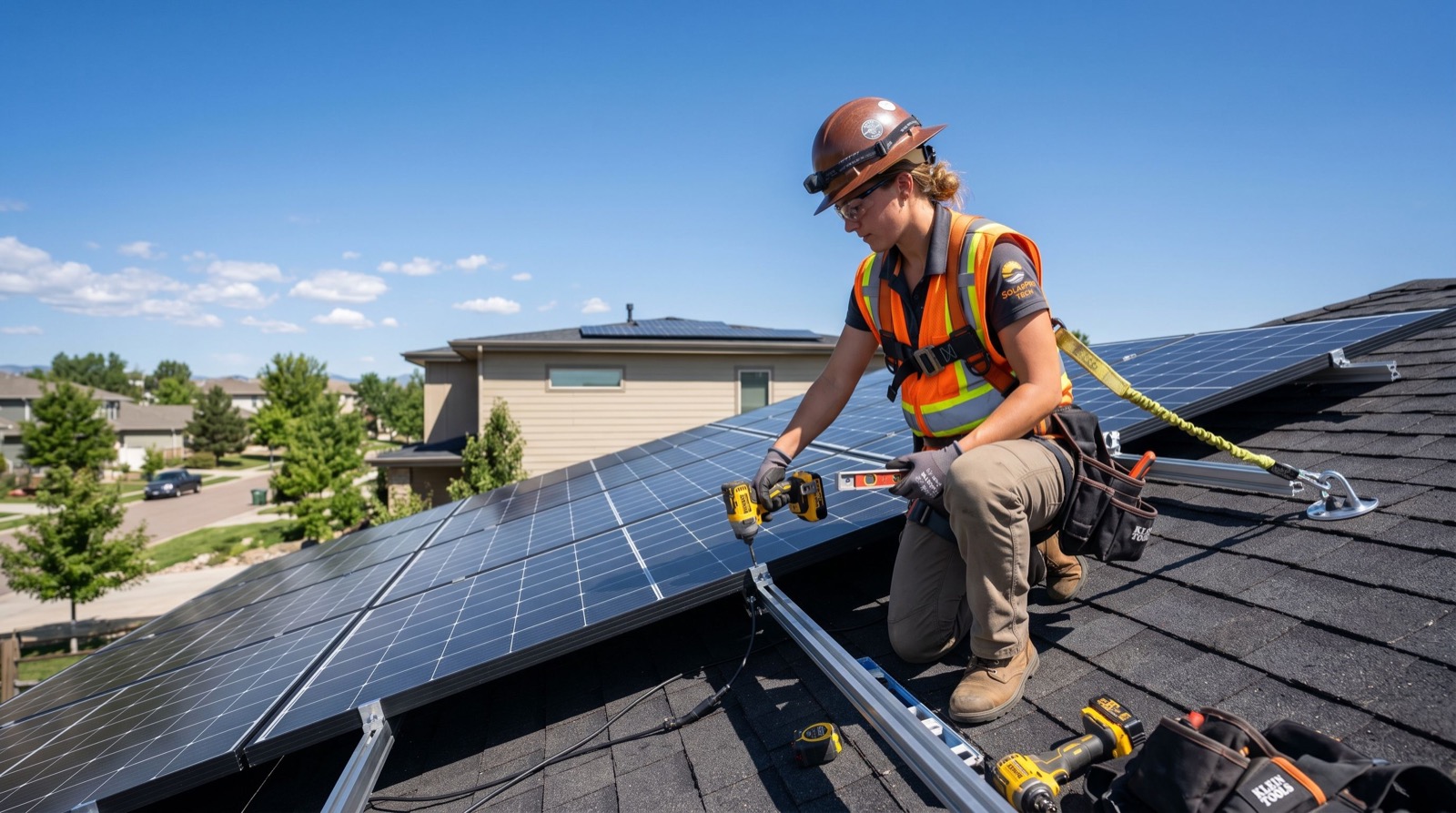
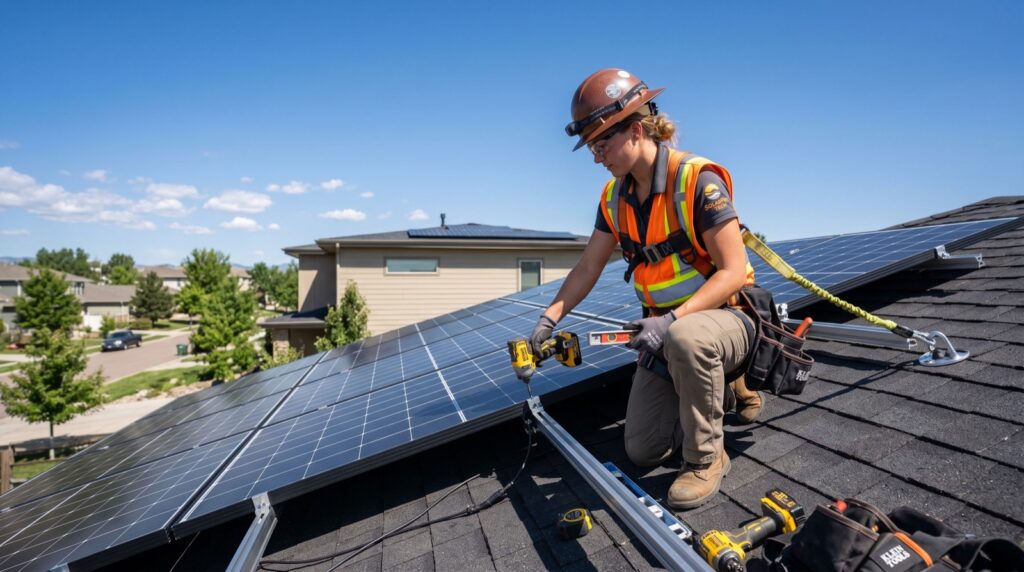
We design and fit storage systems that survive Pakistani heat and deep cycling, so the numbers here come from field experience. If you want a survey and a proper design, professional solar installation services will size the battery bank to your actual nighttime load rather than selling a one-size-fits-all kit.
What Is an Off-Grid Solar System?
An off-grid solar system runs completely independent of WAPDA or K-Electric. Panels charge a battery bank during the day, and the battery powers your home or shop at night and during outages. There is no bill and no reliance on the grid, but you must generate and store everything you use.
A hybrid system is the middle path. It keeps the grid connection for net metering while adding batteries for backup. Most city users in 2026 choose hybrid because it delivers savings and reliability at once, while true off-grid suits places where the grid is unreliable or absent.
Off-Grid vs Hybrid: Which Do You Need?
If your grid supply is decent and you mainly want backup during load-shedding, go hybrid. If you live in a village, run a tube well, or operate a shop with no dependable connection, full off-grid gives you total independence. The battery bank sizing differs a lot between the two, so decide this first.
Choosing the Right Battery Technology
Battery choice defines the cost, lifespan, and reliability of your backup. Three technologies dominate the 2026 market in Pakistan.
- Lithium iron phosphate (LiFePO4): Longest life, deepest usable capacity, low maintenance, higher upfront cost.
- Tubular lead-acid: Lower cost, proven in local conditions, needs periodic water topping and ventilation.
- Gel and AGM: Sealed and maintenance-free, moderate life, good for smaller backup needs.
Battery Comparison at a Glance
| Battery Type | Typical Cycle Life | Usable Depth | Maintenance | Best For |
|---|---|---|---|---|
| Lithium (LiFePO4) | 4000 to 6000 | Up to 90% | None | Daily heavy use |
| Tubular lead-acid | 1200 to 1800 | 50% | Water top-up | Budget backup |
| Gel / AGM | 500 to 1000 | 50% | None | Light backup |
You can compare current models and capacities for solar batteries in Pakistan and match them to the cycle life you need before you buy.
How to Size Your Battery Bank
Sizing is where most off-grid systems fail. Buy too little capacity and your lights go dark by midnight. Buy too much and you have spent money on storage that never fully charges. Follow this simple method:
- List every device you need to run at night and its wattage.
- Multiply by the hours of backup you want to get watt-hours.
- Divide by the battery voltage to get amp-hours, then add margin for depth-of-discharge limits.
- Confirm your panels can recharge that bank fully within the daylight hours you get.
Lithium’s deeper usable capacity means you often need fewer units than lead-acid for the same real backup, which narrows the price gap over the system’s life.
Keeping Batteries Healthy in Pakistani Heat
Heat is the silent killer of batteries. Every extra 10 degrees Celsius above the rated temperature can roughly halve a lead-acid battery’s life. The U.S. Department of Energy homeowner solar guide reinforces how storage placement and ventilation affect performance and safety.
Practical Battery Care Tips
- Install batteries in a shaded, ventilated room away from direct sun.
- Avoid draining lead-acid banks below 50 percent depth of discharge.
- Keep terminals clean and connections tight to prevent voltage drop.
- Use a charge controller or inverter with proper temperature compensation.
Real-World Backup Scenarios in 2026
Numbers on paper only go so far, so here is how storage plays out in real Pakistani homes and shops this year. Understanding these patterns helps you avoid buying either too little or too much.
A small family home that only wants to keep lights, fans, and a fridge running through a three to four hour outage needs a modest bank. Add an inverter AC to the mix and the requirement jumps sharply, because compressors draw heavy surge current and run for long stretches in summer.
Shopkeepers face a different pattern. Their peak demand lands during daylight, so a hybrid design that runs the load directly off panels while topping up a smaller battery is often more economical than a large off-grid bank. Farms with tube wells sit at the opposite end and usually need robust off-grid storage sized around pump run times.
How Much Backup Do Common Loads Need?
Use this quick reference to gauge the scale of your needs before you get a formal survey. Actual sizing must still account for battery chemistry and depth-of-discharge limits.
- Lights and fans only: A small bank easily covers a full evening of use.
- Lights, fans, and fridge: A mid-size bank carries most homes through a long outage.
- Adding one inverter AC: Expect to roughly double the capacity for meaningful runtime.
- Shop with freezers or machines: Plan a larger bank and confirm daytime recharge capacity.
The key insight from years of installs is that recharge capacity matters as much as storage capacity. There is no point owning a large battery bank if your panels cannot refill it during the daylight hours you actually receive.
Why Professional Installation Pays Off
Battery systems carry serious current, and poor wiring is a genuine fire risk. A professional install includes correct fusing, cable sizing, and a battery management setup that protects your investment. Always insist on trusted professionals who provide a wiring diagram and a commissioning report rather than a quick cash job.
Frequently Asked Questions
How long will a solar battery power my home during load-shedding?
It depends on your battery capacity and load. A modest lithium bank can comfortably run lights, fans, and a fridge through a typical outage, while a larger bank can also handle an inverter AC. Size the bank to the loads you truly need at night.
Is lithium worth the higher price over lead-acid?
For daily cycling, yes. Lithium lasts several times longer, gives deeper usable capacity, and needs no maintenance, so the cost per usable cycle is often lower over the full life even though the upfront price is higher.
Can I add batteries to an existing solar system?
Often yes, if your inverter supports storage or you upgrade to a hybrid inverter. A professional survey will confirm compatibility and the right battery voltage for your setup.
How often do solar batteries need replacing?
Quality lithium batteries can last 8 to 12 years, while tubular lead-acid typically lasts 3 to 5 years with good care. Placement, depth of discharge, and temperature control all influence how close you get to those figures.
Final Thoughts
Off-grid solar and battery backup can free you from load-shedding for good, but only if the battery technology and bank size match your real needs. Choose the right chemistry, size for your nighttime load, protect the bank from heat, and use skilled installers. When you are ready, compare verified solar batteries in Pakistan and book a proper survey to build a backup system that keeps the lights on for years.