Ambient storage vs frozen storage is one of the first decisions any business faces when moving inventory into a professional warehouse. Choose wrong and you either pay for cooling you do not need or expose sensitive products to spoilage. In a busy trade hub like Jeddah, where goods flow through the port toward markets across the region, matching each product to the correct temperature environment is fundamental to protecting quality and controlling cost. In 2026, as Saudi Arabia’s warehousing sector modernises under Vision 2030, understanding these storage types has never been more valuable.
This guide compares ambient and frozen storage in plain terms, explains which products belong in each, and helps you build a storage strategy that keeps inventory safe without overspending.
Ambient Storage vs Frozen Storage: The Core Difference
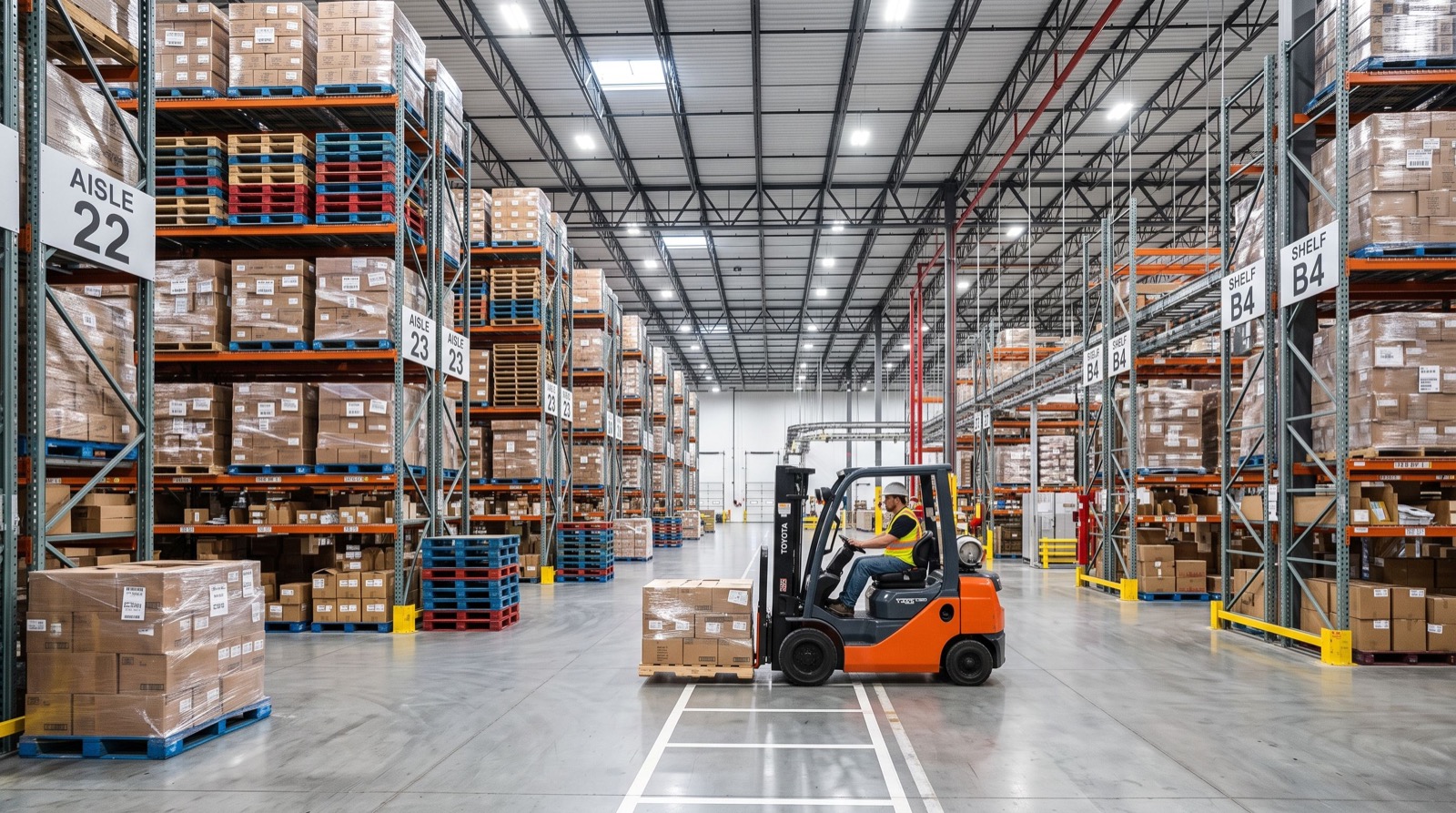
Ambient storage keeps goods at normal indoor room temperature, typically between 15°C and 25°C, without active refrigeration. It suits shelf-stable products that tolerate everyday conditions. Frozen storage, by contrast, holds goods at or below -18°C to preserve perishables that would otherwise spoil within hours.
The right choice depends entirely on the product. Canned food, textiles, and packaging thrive in Ambient Storage in Jeddah, while seafood, meat, and ice cream demand the deep cold of Frozen Storage in Jeddah to stay safe and market-ready.
Which Products Belong in Each Environment?
Getting product placement right is the heart of an efficient storage plan. The table below shows how common categories map to each type.
| Storage Type | Temperature | Ideal Products |
|---|---|---|
| Ambient | 15°C to 25°C | Canned goods, grains, textiles, electronics |
| Chilled | 0°C to 5°C | Dairy, fresh produce, beverages |
| Frozen | -18°C or below | Seafood, meat, ice cream, frozen meals |
The Overlooked Middle Ground
Many businesses forget the chilled range that sits between ambient and frozen. Dairy, chocolate, and some pharmaceuticals need cool conditions that neither extreme provides. A well-equipped facility offers all three zones, so you never have to compromise on any part of your catalogue.
Cost and Energy: Weighing the Trade-Offs
Frozen storage costs more to run than ambient because refrigeration consumes significant energy, especially in Jeddah’s heat. That does not make it optional for perishables, but it does mean you should store only what genuinely needs cold conditions in frozen zones.
- Ambient advantages: Lower cost, simpler handling, longer stable periods.
- Frozen advantages: Extended shelf life for perishables, food-safety compliance.
- Common mistake: Over-refrigerating stable goods and wasting energy.
- Smart move: Segmenting inventory so each item sits in its cheapest safe zone.
Choosing reputable service experts who can audit your catalogue and assign the optimal zone to each SKU prevents both spoilage and overspending.
How to Build the Right Storage Strategy
- List every product and its temperature requirement.
- Group items into ambient, chilled, and frozen categories.
- Forecast volumes for each zone across peak and off-peak seasons.
- Select a facility that offers all the zones you need under one roof.
- Review energy and handling costs to confirm you are not over-cooling.
Food-safety authorities such as the U.S. Food and Drug Administration publish detailed storage charts that confirm why the -18°C threshold and proper zone separation are essential for perishable safety.
How Humidity and Air Quality Affect Ambient Storage
Temperature is only half the story in ambient storage. Humidity quietly damages goods that seem perfectly safe at room temperature. In coastal Jeddah, moist air can rust metal parts, warp cardboard packaging, and encourage mould on textiles and paper products.
A well-run ambient warehouse manages humidity as carefully as temperature, using ventilation and dehumidification to keep the air within a safe band. For electronics, pharmaceuticals in ambient ranges, and packaged foods, this control preserves both product integrity and presentation. Ignoring humidity is one of the most common and costly mistakes in warm, coastal storage.
Air quality matters too. Dust, pests, and odours can contaminate open or semi-sealed goods. Professional facilities enforce cleaning schedules and pest-control programmes that an ordinary warehouse often neglects, protecting your inventory from problems you may not notice until customers complain.
Packaging Choices That Extend Shelf Life
Smart packaging works hand in hand with the right storage environment. Moisture barriers, sealed pallets, and desiccants help ambient goods withstand humidity, while insulated packaging protects frozen items during the brief moments they leave the cold zone.
Reviewing your packaging alongside your storage plan often reveals easy wins. A small upgrade to protective wrapping can dramatically extend how long a product stays saleable, reducing waste and returns across your whole range. Over a full year, these modest changes compound into meaningful savings that rarely appear in a first cost comparison but show up clearly on the bottom line.
The best storage partners advise on this proactively rather than waiting for you to ask. When a provider flags that a product would fare better with different wrapping or a different zone, they demonstrate the kind of hands-on expertise that protects your inventory and your margins alike.
Is Ambient or Frozen Storage Better for My Business?
Neither is universally better; the right answer depends on your product mix. Most distributors need a blend. A facility that combines ambient, chilled, and frozen capacity lets you consolidate everything with one partner, simplifying logistics and cutting the cost of managing multiple providers.
Frequently Asked Questions
What is ambient storage?
Ambient storage keeps products at normal room temperature, roughly 15°C to 25°C, without refrigeration. It suits shelf-stable goods like canned food, grains, packaging, and textiles.
Why is frozen storage more expensive?
Frozen storage requires continuous refrigeration, which uses far more energy, particularly in hot climates like Jeddah. That extra energy and equipment cost is reflected in higher storage rates.
Can one facility offer both ambient and frozen storage?
Yes. Modern multi-temperature warehouses separate ambient, chilled, and frozen zones within the same site, letting you store a mixed inventory efficiently with a single provider.
How do I know which storage type my product needs?
Check the manufacturer’s guidance and food-safety charts. Perishables generally need frozen or chilled conditions, while stable, non-perishable goods are fine in ambient storage.
Conclusion
Understanding ambient storage vs frozen storage lets you protect every product while keeping costs under control. By matching each item to its ideal zone and choosing a facility that offers ambient, chilled, and frozen capacity together, Jeddah businesses gain both safety and efficiency. As Saudi Arabia’s logistics landscape advances through 2026, a smart storage strategy is a genuine advantage. Talk to a trusted warehousing specialist today and give every product the environment it deserves.