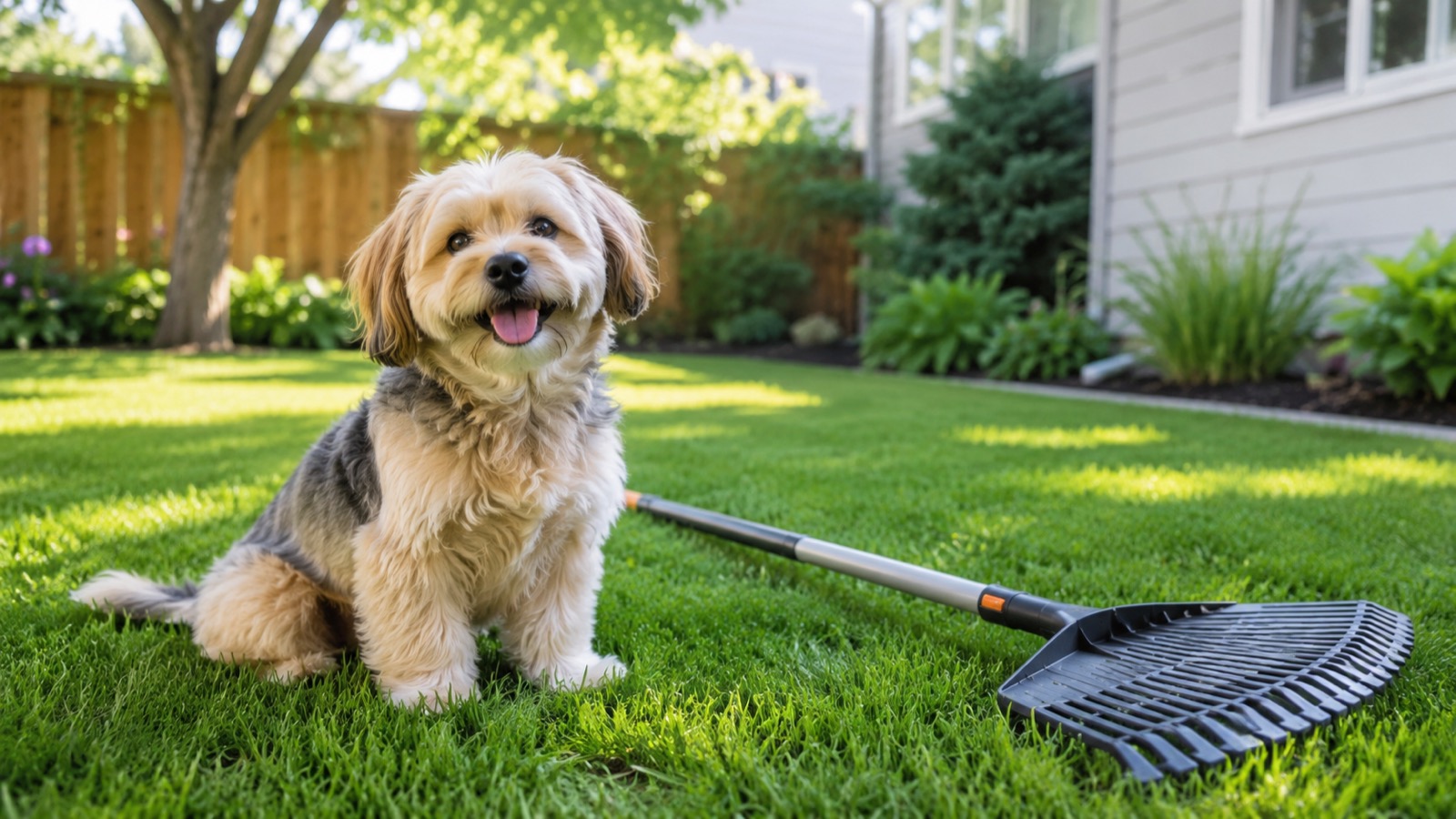
Cleaning up after a dog is one of those small daily chores that quietly shapes how much you actually enjoy your yard. In 2026, the market is flooded with gadgets, so picking a reliable Pooper scooper company matters far more than most owners expect. The wrong tool clogs, rusts, or forces you to bend and twist until your back complains.
This guide breaks down exactly how to evaluate a scooper before you buy, which materials last, and how to match a design to your dog and your yard. You will get a comparison table, a step-by-step selection process, and a few field-tested tips that only surface after months of real use.
What to Look For in a Pooper Scooper Company
A trustworthy Pooper scooper company designs for the messy reality of daily use, not a showroom photo. The best tools solve three problems at once: they reach the ground without deep bending, they grip waste cleanly on grass and gravel, and they release it without smearing.
Build quality separates a five-year tool from a five-week disappointment. Look for a rigid handle, a jaw or blade that closes fully, and hardware that will not seize after rain. According to the American Kennel Club, prompt and consistent waste removal is a core part of responsible ownership, so your tool needs to survive frequent, year-round handling.
Handle length and posture
Your spine will thank you for a handle sized to your height. A scooper that keeps you upright reduces strain across hundreds of pickups a year. Test the reach: your elbow should stay relaxed, not locked, when the head touches the ground.
Scooper Types Compared
Different designs shine in different yards. The table below maps common styles to the situations where they perform best, so you can shortlist before spending a cent.
| Design | Best Surface | Strength | Watch Out For |
|---|---|---|---|
| Rake and pan | Grass, mulch | Two-hand control | Awkward to store |
| Jaw or claw | Grass, concrete | One-hand grab | Cheap hinges fail |
| Scooper with bag holder | Any surface | Bag stays attached | Match bag size |
| Spring-loaded clamp | Hard surfaces | Fast pickup | Weak on soft soil |
Why the bag-integrated design wins for most owners
A scooper that holds the bag while you pick up removes the juggling act entirely. You lift, you seal, you drop it in the bin, all without touching anything. That single feature is why many households upgrade after their first frustrating season with a bare pan.
How Do You Choose the Right Scooper for Your Dog?
Start with your dog’s size and your yard’s surface, then work outward to comfort and cleanup speed. A toy breed on a patio needs a lighter, precise tool, while a large breed on a lawn demands a wider jaw and sturdier frame.
Follow this simple order so you do not overpay for features you will never use:
- Measure your dog’s typical waste volume and pick a jaw wide enough.
- Match the head style to your dominant surface, grass or hard ground.
- Confirm the handle length fits your height for upright posture.
- Check whether it accepts standard bags you already buy.
- Read durability reviews focused on the hinge and blade.
Material matters more than color
Aluminum and coated steel resist rust and flex less over time. Plastic-heavy budget models can crack in cold snaps, so if you live somewhere with real winters, prioritize metal in the load-bearing parts.
Everyday Cleanup Habits That Extend Tool Life
Even a great scooper needs a little care. Rinse the head after use, let it dry before storage, and keep the hinge free of grit. A quick wipe prevents odor buildup and stops corrosion from taking hold.
Consistency also protects your lawn. The U.S. EPA notes that uncollected pet waste washes nutrients and bacteria into storm drains, so daily pickup is both a yard and a water-quality win. A tool you actually enjoy using is the one that keeps you consistent.
- Store the scooper somewhere you pass daily so it stays in your routine.
- Keep a bag roll clipped to the handle to avoid last-minute scrambles.
- Replace worn bag holders instead of the whole tool when possible.
Matching the Scooper to Your Yard Surface
Your ground type quietly dictates which tool performs. A design that grabs cleanly on a lawn can struggle on gravel, and a tool built for concrete may slice into soft turf. Choosing with your surface in mind saves frustration.
Grass hides waste in the blades, so a wider jaw with good ground clearance works best. Gravel demands a tool that closes fully to avoid scooping loose stones, while patios and decks reward a design that scrapes clean without gouging the surface.
Mixed yards need versatility
Most real yards combine surfaces, so a versatile head that handles grass and hard ground equally is the safest all-round choice. Prioritize a design that adapts rather than one optimized for a single surface you only have in one corner.
Budget vs Long-Term Value
The cheapest tool rarely stays the cheapest. A bargain scooper that cracks or seizes within months costs more than one durable purchase that lasts years. Think in cost-per-use, not sticker price.
- Factor in how many pickups the tool must survive per year.
- Weigh the cost of replacement parts versus a whole new tool.
- Consider comfort, since an unpleasant tool gets abandoned.
- Prioritize the hinge and blade, the first parts to fail cheaply.
Buying From the Right Source
Where you buy shapes the support you get later. A dedicated scooper brand understands durability trade-offs and stocks replacement parts, unlike a generic marketplace listing that vanishes after the sale. Choosing a proven Pooper scooper maker gives you a tool designed by people who use it, plus real answers when you have questions.
If you want a broader sense of how specialists differ from bargain sellers, the same logic applies to any trade. Working with dependable specialists who stand behind their product almost always beats the cheapest option that leaves you stranded.
Frequently Asked Questions
What should I look for in a Pooper scooper company?
Prioritize durable metal parts, a full-closing jaw, a handle sized to your height, and compatibility with standard bags. A company that offers replacement parts signals confidence in long-term durability.
Is a scooper with an attached bag really better?
For most owners, yes. Holding the bag while you scoop removes the juggling step, keeps your hands clean, and speeds up daily pickup considerably.
How long should a quality scooper last?
A well-built metal scooper with a protected hinge should easily last several years of daily use, provided you rinse and dry it and keep grit out of the moving parts.
Does the tool make a difference for lawn health?
Absolutely. A comfortable tool keeps you consistent, and consistent removal prevents waste from burning grass and washing bacteria into waterways.
Final Word
Choosing the right Pooper scooper company in 2026 comes down to durability, posture-friendly design, and honest support after the sale. Match the tool to your dog and yard, favor metal where it counts, and lean on a brand that stocks parts. Do that, and daily cleanup stops being a chore you dread and becomes a thirty-second habit you barely notice.