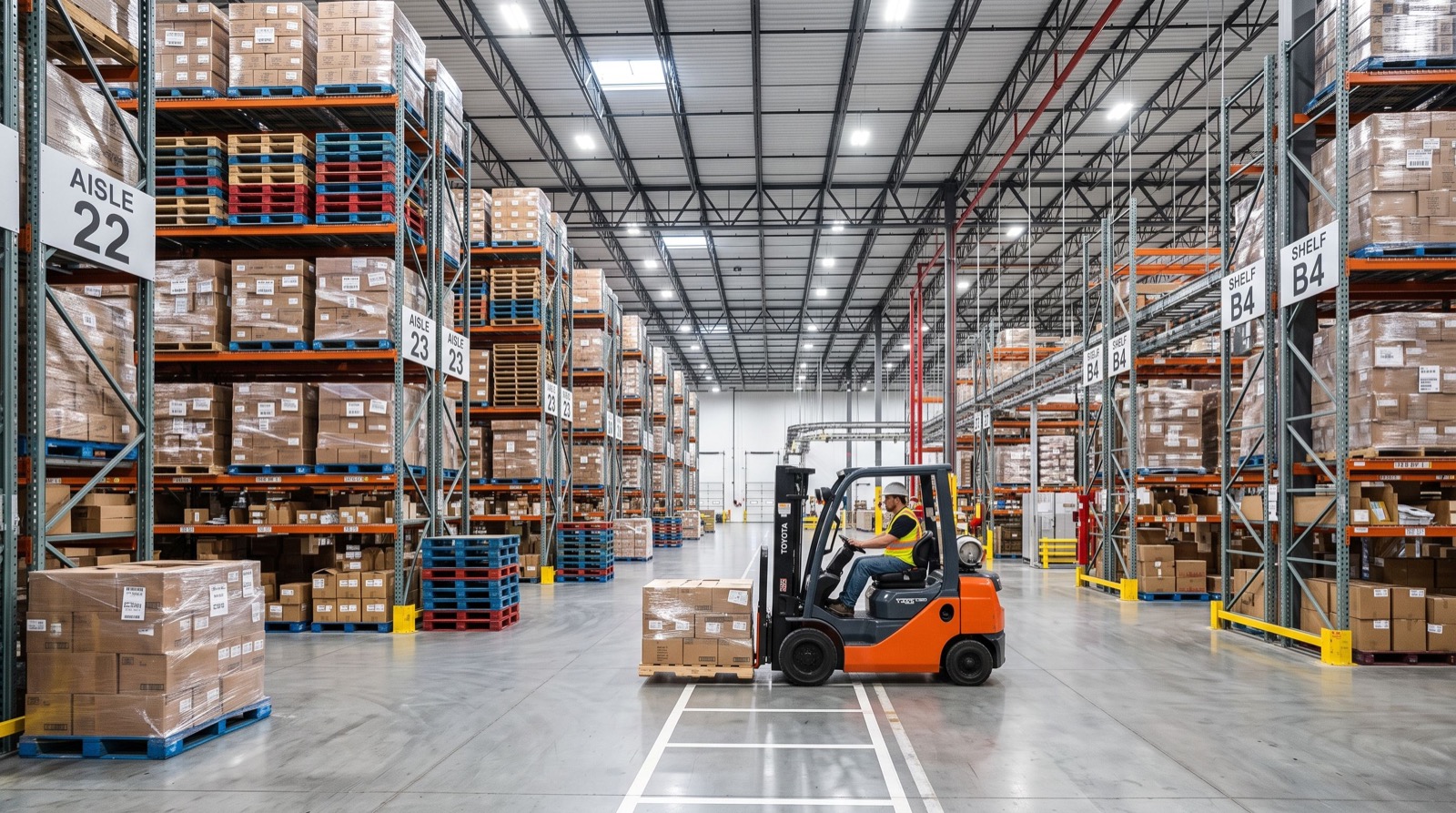
Guest Post by Units
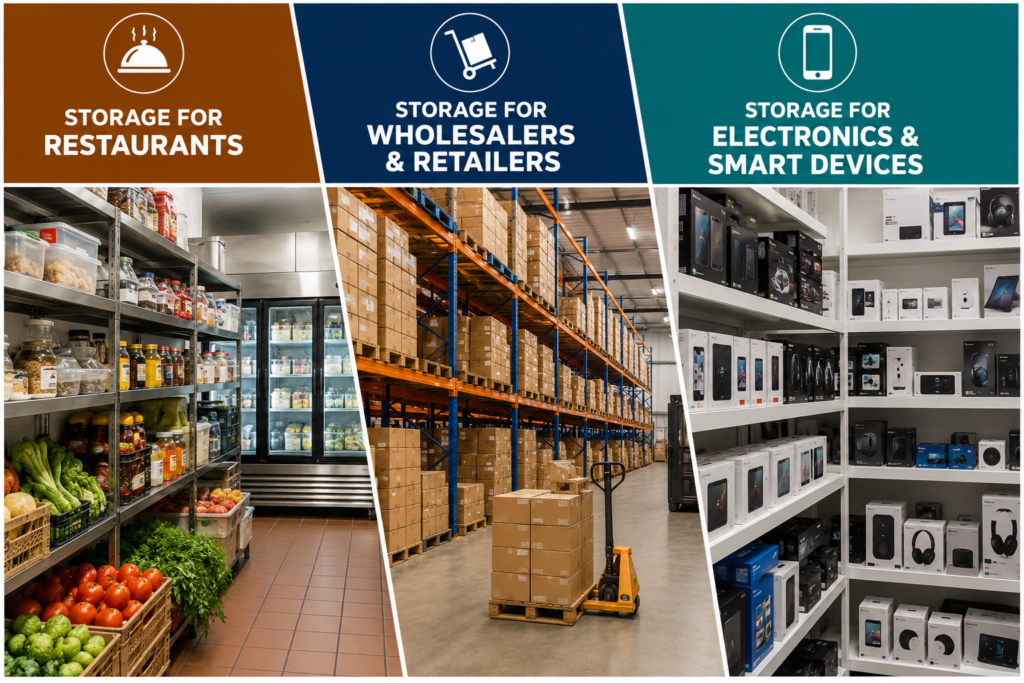
In today’s competitive business landscape, efficient storage is not a luxury—it is a strategic necessity. Different industries face unique challenges when it comes to storing their inventory, equipment, and supplies. A restaurant needs organized, accessible space for dry goods, chilled items, and frozen products. Wholesalers and retailers require scalable space for bulk inventory with easy access for order fulfillment. Electronics businesses demand clean, secure environments that protect sensitive devices from dust, heat, and static.
Generic storage solutions often fail to meet these specialized needs. Restaurants waste time searching for supplies. Retailers struggle with seasonal inventory fluctuations. Electronics businesses risk damaging high-value stock.
This is where Units (visit units.sa) makes the difference. As a top company offering premium storage solutions in Saudi Arabia, Units provides tailored spaces designed to meet the unique requirements of different industries. With state-of-the-art facilities, climate-controlled options, advanced security, and smart inventory management, Units is the trusted partner for businesses across the Kingdom. Units serves customers in Riyadh, Jeddah, and Dammam, with active expansion plans to other cities .
In this comprehensive guide, we will explore the specific storage needs of three distinct sectors—restaurants, wholesalers and retailers, and electronics businesses—and explain why Units is the ideal solution for each.
Storage for Restaurants: Keeping Your Kitchen Running Smoothly
The restaurant industry operates on precision, timing, and organization. A well-run kitchen depends on having the right ingredients, equipment, and supplies available exactly when needed. Poor storage leads to wasted food, lost time searching for items, and frustrated staff. Professional Storage for Restaurants is essential for operational efficiency and profitability.
Unique Challenges of Restaurant Storage
Diverse Product Types: Restaurants manage multiple storage categories—dry goods (rice, flour, spices, canned goods), chilled products (dairy, fresh produce, prepared ingredients), frozen items (meat, seafood, vegetables), and non-food supplies (cleaning products, paper goods, spare equipment). Each category requires different storage conditions .
Space Constraints: Commercial kitchens are notoriously tight on space. Every square foot is valuable real estate. Restaurants need off-site storage for bulk purchases, seasonal items, and infrequently used equipment to free up kitchen space.
Inventory Rotation (FIFO): Food products have expiration dates. Proper storage must support first-in-first-out (FIFO) rotation to minimize waste. Disorganized storage leads to expired products and financial loss.
Health and Safety Compliance: Restaurants are subject to strict health regulations. Storage areas must be clean, pest-free, and organized. Units warehouses are certified by the Saudi Food and Drug Authority (SFDA), ensuring compliance with the highest hygiene standards .
Bulk Purchasing: Buying in bulk reduces per-unit costs, but bulk quantities require significant storage space. Without off-site storage, restaurants cannot take advantage of volume discounts.
Seasonal Demand Fluctuations: Restaurants experience peak seasons (Ramadan, holidays, summer) requiring extra inventory. Off-season storage needs shrink. Flexible storage solutions accommodate these fluctuations.
How Units Serves the Restaurant Industry
Units provides Storage for Restaurants designed to address these unique challenges:
Multiple Storage Options: Units offers ambient (dry) storage, chilled storage (+2°C to +8°C), and frozen storage (-18°C to -25°C) in SFDA-certified warehouses . This allows restaurants to store all product types in one location.
Flexible Unit Sizes: From small lockers for paper goods to large spaces for bulk dry food and equipment, Units has sizes that match your needs .
Clean, Secure Environment: Units facilities are meticulously maintained with pest control programs, protecting your food products from contamination. Units takes full responsibility for any damage caused by their handling .
Smart Inventory Management: The Units online platform provides real-time visibility into stored inventory, enabling efficient tracking of stock levels and expiration dates .
Convenient Access: Access your inventory during operating hours (Saturday to Thursday, 7 AM to 5 PM) with advance coordination. Restaurants can restock quickly when needed.
Scalable Space: Expand or contract your storage as your inventory fluctuates with seasons or demand changes. Flexible contracts allow you to scale based on real operational needs .
Types of Restaurant Inventory Suitable for Units Storage
- Dry Goods: Rice, flour, sugar, spices, canned goods, cooking oil, pasta
- Beverages: Soft drinks, bottled water, juice concentrates, bulk coffee and tea
- Chilled Products: Dairy, fresh produce, prepared ingredients, deli items
- Frozen Items: Meat, seafood, frozen vegetables, ice cream
- Paper and Disposables: Napkins, takeout containers, cups, lids, straws
- Cleaning Supplies: Detergents, sanitizers, degreasers
- Small Equipment: Blenders, mixers, extra pots and pans, seasonal equipment
Benefits for Restaurants
Reduced Kitchen Clutter: Move bulk inventory and seasonal items off-site to free up valuable kitchen space for daily operations.
Lower Food Costs: Take advantage of bulk purchasing discounts without worrying about storage constraints.
Reduced Waste: Properly organized storage with FIFO support minimizes expired products.
Health Compliance: SFDA-certified facilities ensure your food storage meets regulatory standards .
Operational Efficiency: Staff spend less time searching for supplies and more time serving customers.
Storage for Wholesalers and Retailers: Scaling Your Business with Flexible Space
Wholesalers and retailers face unique inventory challenges. Seasonal demand fluctuations, bulk purchasing, order fulfillment requirements, and the need for organized, accessible stock all demand professional Storage for Wholesalers and Retailers. Whether you are a small boutique owner or a large distributor, the right storage solution enables business growth.
Unique Challenges of Wholesaler and Retailer Storage
Seasonal Inventory Fluctuations: Retail businesses experience dramatic inventory swings—holiday merchandise, summer seasonal goods, back-to-school supplies. Off-season inventory must be stored securely and retrieved efficiently when demand returns.
Bulk Purchasing and Storage: Wholesalers buy in large quantities to secure better pricing. Bulk storage requires significant space with organized access for picking and packing.
Order Fulfillment Efficiency: Retailers and wholesalers need organized storage that enables rapid picking, packing, and shipping. Disorganized storage leads to fulfillment errors and customer dissatisfaction.
Returns Management: Retail e-commerce has high return rates. Storing returned items pending inspection, restocking, or disposal requires dedicated space.
Multiple Sales Channels: Businesses selling through physical stores, e-commerce platforms, and wholesale channels need centralized inventory management.
Scalability: Growing businesses need storage that can expand without requiring expensive long-term warehouse leases.
How Units Serves Wholesalers and Retailers
Units provides Storage for Wholesalers and Retailers designed for flexibility and efficiency:
Large, Accessible Units: Units offers spacious units capable of accommodating bulk inventory, pallets, and large items .
Drive-Up Access: Many Units locations feature ground-floor units with direct vehicle access, enabling efficient loading and unloading.
Flexible Access Hours: Access your inventory during operating hours (Saturday to Thursday, 7 AM to 5 PM) with advance coordination.
Smart Inventory Management: The Units online platform provides real-time visibility into stock levels, locations, and movement history .
Scalable Space: Expand during peak seasons (holidays, sales events) and reduce during slower periods. Pay only for the space you need .
Secure Facilities: 24/7 surveillance and controlled access protect valuable inventory from theft . Units takes full responsibility for any damage caused by their handling .
Integration with E-commerce Platforms: Units integrates with e-commerce platforms like Salla and Zid, enabling seamless order fulfillment .
Types of Retail and Wholesale Inventory Suitable for Units Storage
- Seasonal Merchandise: Holiday decorations, summer goods, winter apparel, back-to-school supplies
- Overstock and Excess Inventory: Products beyond retail floor capacity
- E-commerce Fulfillment Stock: Online order inventory awaiting shipment
- Returns: Customer returns pending processing
- Promotional Materials: Displays, signage, marketing collateral
- Packaging Supplies: Boxes, bubble wrap, tape, mailers
- Bulk Raw Materials: For businesses that manufacture or assemble products
- Furniture and Large Items: For furniture retailers or wholesalers
Benefits for Wholesalers and Retailers
Seasonal Flexibility: Store off-season inventory safely and retrieve it when demand returns. No more cluttered back rooms or overflowing storage areas.
Operational Efficiency: Organized storage enables faster order fulfillment and returns processing.
Scalable Space: Expand or contract as your business grows. No long-term warehouse commitments.
Cost Savings: Pay only for the space you need at any given time.
Inventory Visibility: Real-time online tracking reduces lost items and improves inventory accuracy .
Professional Image: Organized, accessible storage supports professional operations and timely customer service.
Storage for Electronics & Smart Devices: Protecting High-Value Inventory
The electronics industry handles some of the most sensitive and high-value products in the market. Smartphones, laptops, tablets, smart home devices, components, and accessories are vulnerable to dust, static, temperature fluctuations, and physical damage. Professional Storage for Electronics & Smart Devices is not just about space—it is about protection, security, and preserving product value.
Unique Challenges of Electronics Storage
Static Sensitivity: Electronic components can be damaged by electrostatic discharge (ESD). Storage areas must be designed to minimize static buildup.
Dust Protection: Dust is the enemy of electronics. Even microscopic particles can cause overheating, short circuits, and device failure. Storage units must be well-sealed to prevent dust infiltration.
Temperature Sensitivity: Extreme heat can damage batteries, LCD screens, and sensitive components. Electronics require stable, moderate temperatures. Units ambient storage maintains temperatures between 18°C and 28°C .
Humidity Control: High humidity causes corrosion. Low humidity increases static risk. Proper humidity management is essential.
Physical Protection: Electronics are fragile. Storage must prevent crushing, dropping, and impact damage.
Security: Electronics are high-value, high-theft items. Storage requires robust security—24/7 surveillance, controlled access, and individual unit locks .
Inventory Organization: With multiple models, configurations, and accessories, organized storage is essential for efficient order fulfillment.
How Units Serves the Electronics Industry
Units provides Storage for Electronics & Smart Devices designed for maximum protection :
Clean, Dust-Free Environment: Units facilities are meticulously maintained, with sealed units that prevent dust infiltration . Your electronics stay clean and protected.
Climate-Controlled Options: For sensitive electronics, Units offers climate-controlled storage options that maintain stable temperature and humidity levels . This prevents damage from heat, cold, or moisture.
Secure Facilities: 24/7 surveillance and controlled access protect your valuable inventory from theft . Units takes full responsibility for any damage caused by their handling .
Flexible Unit Sizes: From small lockers for components to larger units for bulk stock, Units offers sizes that match your needs .
Smart Inventory Management: The Units online platform provides real-time visibility into your stored inventory, enabling efficient tracking of stock levels, models, and serial numbers .
Convenient Access: Access your inventory during operating hours (Saturday to Thursday, 7 AM to 5 PM) with advance coordination.
Types of Electronics Suitable for Units Storage
- Smartphones and Tablets: New and refurbished devices awaiting sale
- Laptops and Computers: Bulk inventory, returned units, spare stock
- Components and Parts: Processors, memory, storage drives, circuit boards
- Smart Home Devices: Speakers, cameras, thermostats, hubs
- Accessories: Cables, chargers, cases, adapters
- Display Models: Floor models, demonstration units
- Test Equipment: Diagnostic and repair equipment
- Packaging and Manuals: Original boxes, documentation
Benefits for Electronics Businesses
Product Protection: Clean, climate-controlled, dust-free environments preserve product quality and functionality.
Reduced Damage: Proper handling and storage minimize damage from static, heat, humidity, and physical impact.
Enhanced Security: 24/7 surveillance and controlled access reduce theft risk for high-value inventory.
Organized Operations: Smart inventory tracking enables efficient picking, packing, and shipping.
Scalable Space: Expand during product launches or peak seasons; reduce during slower periods.
Professional Storage: Impress business partners and customers with properly stored, undamaged products.
Why Units Is the Top Choice Across Industries
Across restaurants, wholesalers and retailers, and electronics businesses, Units stands as the top company for specialized storage solutions. Here is why:
Industry-Specific Solutions: Units understands that different industries have different requirements. Their specialized solutions for food and beverage, general storage, and temperature-sensitive products demonstrate a commitment to tailored service . The team works closely with clients to understand unique needs and recommend appropriate solutions.
SFDA-Certified Facilities: For food-related businesses, Units offers SFDA-certified chilled and frozen storage options . This certification ensures compliance with the Kingdom’s highest safety standards.
Smart Warehousing Technology: Units provides an all-in-one digital platform that empowers customers to manage logistics operations easily and efficiently through an intuitive dashboard . Key features include inventory management, automated inbound requests, efficient outbound processing, external integration with e-commerce platforms (Salla, Zid), and detailed reporting.
Clean, Secure Environment: All Units facilities are meticulously maintained, with 24/7 surveillance, controlled access, and pest control programs . Units takes full responsibility for any damage caused by their handling .
Flexible Space Options: From small lockers to large warehouse spaces, Units offers unit sizes to match any inventory volume. Flexible contracts allow you to scale based on real operational needs without long-term fixed infrastructure commitments .
Competitive, Transparent Pricing: No hidden fees. Clear upfront quotes. You pay only for the space you need.
Convenient Access: Access your inventory during operating hours (Saturday to Thursday, 7 AM to 5 PM) with advance coordination. The online platform provides 24/7 visibility .
Comprehensive Services: Beyond storage, Units offers packing services for a reasonable extra charge and delivery services using a fleet of vehicles including small vans and large trucks .
Kingdom-Wide Presence: Units serves customers in Riyadh, Jeddah, and Dammam, with active expansion plans to other cities . This allows businesses to centralize their warehousing needs with a single provider.
Responsive Customer Service: The Units team is knowledgeable, helpful, and ready to assist with any storage need .
How Units Storage Works
Step 1: Needs Assessment
Contact Units to discuss your specific storage requirements—product types, volume, access frequency, and location preferences (Riyadh, Jeddah, Dammam, or other markets).
Step 2: Unit Selection
Units recommends the optimal unit size and location based on your needs. Options range from small lockers to large warehouse spaces .
Step 3: Inventory Intake
Your products are received, inspected, and moved into your designated storage unit. Units staff follow strict handling protocols.
Step 4: Smart Inventory Management
Access your inventory online through the Units platform. Track stock levels, locations, and movement history in real time .
Step 5: Ongoing Access
Access your inventory during operating hours (Saturday to Thursday, 7 AM to 5 PM) with advance coordination. The online platform provides 24/7 visibility .
Step 6: Order Fulfillment
When products are needed, Units staff retrieve and prepare them for pickup or delivery. Delivery services are available for an extra charge .
Conclusion
Specialized storage requirements demand specialized solutions. Restaurants need organized, accessible space for diverse product types with health compliance. Wholesalers and retailers need scalable, flexible space for seasonal inventory fluctuations and order fulfillment. Electronics businesses need clean, climate-controlled, secure environments that protect sensitive, high-value devices.
Units delivers across all three sectors. With smart warehousing technology, clean and secure facilities, flexible contracts, and a commitment to customer service, Units is the top choice for businesses seeking professional storage solutions in Saudi Arabia .
Whether you run a restaurant, a retail business, or an electronics company, Units has the storage solution you need.
Visit units.sa today to learn more about specialized storage options. Request a consultation and discover how Units can support your business growth. Our warehouses are open Saturday to Thursday, 7 AM to 5 PM, with 24/7 online inventory access .
Frequently Asked Questions (FAQs)
Q1: Can Units store chilled and frozen food products for restaurants?
A: Yes. Units offers SFDA-certified chilled storage (+2°C to +8°C) and frozen storage (-18°C to -25°C) in addition to ambient dry storage . This allows restaurants to store all product types—dry goods, chilled dairy and produce, and frozen meats and seafood—in one secure location.
Q2: Does Units offer storage for bulk inventory for wholesalers and retailers?
A: Yes, Units provides large, accessible units suitable for bulk inventory, pallets, and oversized items . Many locations feature drive-up access for efficient loading and unloading. Flexible unit sizes allow businesses to scale space up or down as inventory fluctuates with seasons and demand. Flexible contracts allow you to scale based on real operational needs without long-term fixed infrastructure commitments .
Q3: Is Units storage suitable for storing electronics and smart devices?
A: Absolutely. Units offers climate-controlled storage options that maintain stable temperature and humidity levels, preventing heat, cold, and moisture damage to sensitive electronics . Their sealed, dust-free units protect against dust infiltration that can cause overheating and component failure. 24/7 surveillance provides security for high-value inventory. Units takes full responsibility for any damage caused by their handling .
Q4: What are the operating hours for accessing stored items?
A: Units standard access hours are Saturday to Thursday, 7 AM to 5 PM . Advance coordination is recommended to ensure efficient retrieval. The online platform provides 24/7 visibility and inventory management. For specific access arrangements, contact the Units team directly.
Q5: How can I manage and track my inventory stored at Units?
A: Units provides a user-friendly online platform for smart inventory management . You can log in anytime to view your stored items, track stock levels, manage locations, and coordinate retrieval requests. The platform supports automated inbound requests, efficient outbound processing, integration with e-commerce platforms (Salla, Zid), and detailed reporting on operations, space utilization, and delivery requests . This platform is accessible from desktop or mobile devices, providing real-time visibility regardless of your location—essential for restaurants monitoring ingredient supplies, retailers tracking seasonal stock, or electronics businesses managing serialized inventory.